The Ultimate Hunting Gear Maintenance Guide for Longevity and Reliability
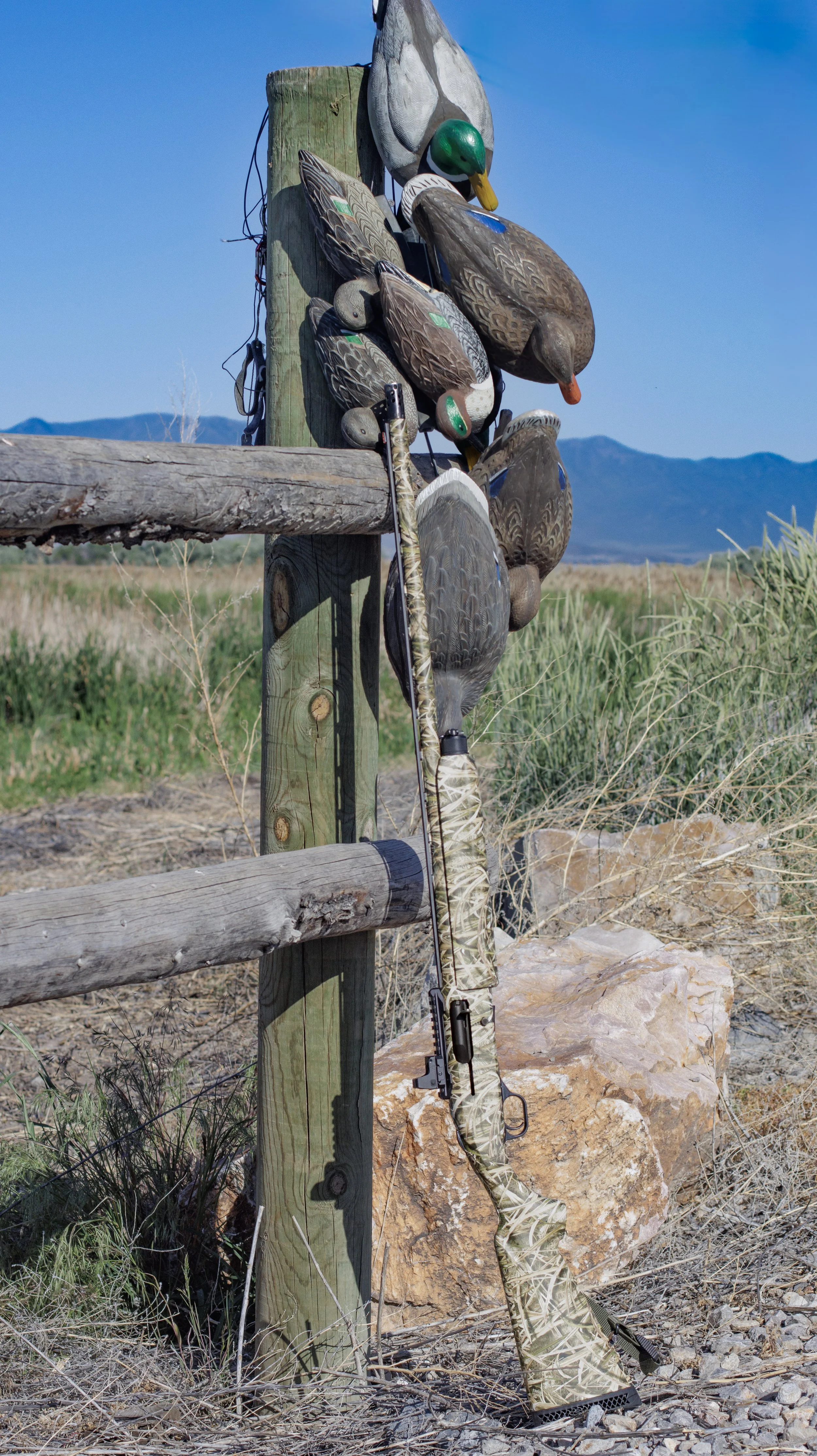
Take care of your gear, and it'll take care of you. Mostly.
Let's get one thing straight right out of the gate: hunting gear isn't cheap.
Between the bow, rifle, optics, boots, packs, knives, clothing, rangefinders, GPS units, trail cameras, and enough miscellaneous equipment to make your garage look like a sporting goods store threw up in it, hunting has a funny way of turning your bank account into a conservation project.
And somehow, after spending a small fortune on equipment, some hunters will drag everything home after a hunt, throw it in a corner, and forget about it until the night before opening morning.
Then comes the familiar routine.
The rifle hasn't been cleaned since last season. The binoculars have enough fingerprints on them to solve a murder. The boots smell like something died in them, and the expensive rain jacket has been sitting in a heap so long that even the mice are considering moving out.
But don't worry. Opening morning is only 12 hours away.
What could possibly go wrong?
Here's the truth: good hunting gear is an investment, and how you maintain it determines how long it lasts, how reliably it performs, and whether it works when you need it most.
You don't need to spend every weekend polishing your equipment like you're preparing it for a museum. You just need a consistent maintenance routine, a little common sense, and the willingness to do the boring stuff before it becomes an expensive problem.
At Hunt Pros, we're firm believers that successful hunting comes down to preparation, experience, and putting in the work. That includes taking care of the equipment that helps get you there.
So whether you're chasing mule deer in the backcountry, sitting in a duck blind before sunrise, hunting turkeys in the spring, or wandering around the mountains looking for sheds, this guide will help you keep your gear in fighting shape for the long haul.
Let's get into it.
1. Start With a Post-Hunt Gear Inspection
The best time to maintain your hunting gear is immediately after a hunt.
Not next weekend. Not sometime during the summer. And definitely not at 10 p.m. the night before you leave for a five-day backcountry hunt.
Immediately.
You don't have to conduct a military inspection in your garage, but you should make a habit of unpacking your equipment and giving everything a once-over when you get home.
Why? Because hunting exposes equipment to just about every condition that can shorten its lifespan.
Rain, snow, mud, dust, sweat, blood, temperature swings, abrasive rocks, sharp branches, and the occasional unplanned encounter with the ground all take their toll.
Even if your gear looks fine on the outside, moisture can remain trapped in fabric, dirt can work its way into moving parts, and small tears can go unnoticed until they become much bigger problems.
Your basic post-hunt checklist
After every hunt:
Remove all equipment from your pack.
Separate wet clothing and gear from dry equipment.
Inspect boots, packs, straps, buckles, and zippers.
Wipe down optics and electronic equipment according to manufacturer instructions.
Clean and dry knives and other cutting tools.
Inspect firearms or archery equipment for damage, following the appropriate manufacturer's maintenance instructions.
Check batteries, charging cables, and electronic accessories.
Allow everything to dry completely before storing it.
Make a note of anything that needs repair or replacement.
This process doesn't need to take hours.
A quick inspection might save you from discovering a broken zipper, damaged boot sole, or corroded piece of equipment when you're miles from the truck.
And trust me, there is nothing quite like realizing your expensive gear has failed when you're already committed to the hunt.
That's the kind of character-building experience nobody asked for.
Create a dedicated maintenance area
You don't need a professional workshop. A clean workbench, folding table, or section of your garage will do just fine.
Keep your basic maintenance supplies together so you aren't hunting for a cleaning cloth while standing in front of a pile of expensive equipment.
A simple maintenance station might include:
Microfiber cloths.
Soft brushes.
Manufacturer-approved cleaning products.
Appropriate lubricants.
Boot cleaning supplies.
Fabric repair tape.
Needle and thread suitable for gear repairs.
Replacement buckles and zipper pulls.
Spare batteries.
Silica gel packets or other appropriate moisture-control products.
A notebook or digital checklist for tracking maintenance.
Keep firearm cleaning supplies separate from food preparation areas, and store solvents, lubricants, and other chemicals safely according to their labels.
The goal is simple: make maintaining your gear easy enough that you actually do it.
2. Firearm Maintenance: Reliability Is Not Optional
Let's start with the equipment that deserves a little extra attention.
Whether you hunt with a rifle, muzzleloader, or shotgun, firearm maintenance is about more than protecting an expensive purchase.
It's about reliability and safety.
A firearm that has been exposed to moisture, dirt, or improper storage conditions can develop corrosion or mechanical problems. Neglect can also allow obstructions, damaged components, or other issues to go unnoticed.
And unlike a broken coffee mug, a firearm isn't something you want to discover has a problem when you're counting on it.
Clean according to the firearm and ammunition
Different firearms have different maintenance requirements.
A modern centerfire rifle, a muzzleloader, and a waterfowl shotgun may require different cleaning products, procedures, and inspection intervals.
Follow the manufacturer's instructions for your specific firearm rather than assuming every gun needs the same treatment.
After a hunt, particularly one involving rain, snow, mud, or significant temperature changes, inspect the firearm and address any moisture or contamination according to the manufacturer's guidance.
Always make sure the firearm is unloaded before cleaning or inspecting it. Remove ammunition from the immediate work area, and follow the manufacturer's safety procedures throughout the process.
Pay attention to areas where moisture or debris can accumulate, including exterior metal surfaces, the action, and other components identified in the owner's manual.
If you're unsure how to inspect a particular component or whether a repair is necessary, consult a qualified gunsmith.
Don't overdo the lubrication
More lubricant does not automatically mean better protection.
Using the wrong lubricant, applying too much, or allowing oil to collect where it shouldn't can create problems. Some lubricants may also be unsuitable for particular components or operating temperatures.
Use only products approved for your firearm and apply them as directed.
If you're hunting in freezing conditions, pay particular attention to the manufacturer's recommendations for cold-weather operation. Lubricants that perform adequately in mild weather may behave differently when temperatures drop.
This is especially important for hunters heading into the mountains, where the weather can change dramatically between the trailhead and camp.
Muzzleloader hunters need to pay attention
Muzzleloaders deserve special consideration because cleaning requirements vary with the firearm design, propellant, and projectile system.
Follow the manufacturer's instructions for your exact setup, including any requirements related to cleaning, corrosion prevention, and storage.
Don't assume that a cleaning routine appropriate for one muzzleloader will automatically work for another.
If you're using a muzzleloader for a late-season hunt, inspect it well before the season begins rather than discovering a maintenance problem at the range the day before your hunt.
Inspect your firearm before the season
Before heading into the field, check for obvious exterior damage, corrosion, loose or damaged accessories, and anything else that could affect safe operation.
If the firearm has been stored for an extended period, inspect it according to the owner's manual.
Have questionable mechanical issues evaluated by a qualified gunsmith.
And if you haven't fired the firearm recently, arrange a safe, appropriate range session before the hunt.
Your zero, your confidence, and your equipment should all be verified before you head into the mountains.
The bottom line: Don't wait until the hunt to find out whether your firearm has been maintained properly.
That's what the offseason is for.
3. Archery Equipment: Small Problems Become Big Problems
Bowhunters know that archery equipment is a system.
Your bow, strings, cables, arrows, broadheads, release, sights, rest, and accessories all need to work together.
A problem with one component can affect the performance of the entire setup.
And because many archery components are under significant tension, maintenance isn't something you want to improvise.
Inspect your bowstrings and cables
Bowstrings and cables experience wear over time, particularly around areas where they contact other components.
Inspect them regularly for obvious fraying, damaged strands, unusual wear, or other signs of deterioration.
Pay attention to serving separation and areas around cams, axles, and other contact points.
Wax the string only as recommended by the bow manufacturer. Some components, including serving material, may require different care than the string itself.
If you notice damaged strands, significant wear, or anything that looks questionable, have the bow inspected by a qualified archery technician.
Never attempt to disassemble or relieve tension on a compound bow without the proper equipment and training.
A compound bow under tension is not the place to discover that a YouTube tutorial left out a few important details.
Check your arrows
Arrows take a beating, especially when you're practicing frequently or hunting in rough terrain.
Inspect carbon arrows for cracks, splintering, impact damage, or other defects. Aluminum arrows should be checked for bends and damage.
Inspect the nocks, fletching, inserts, and other components for damage or looseness.
Follow the manufacturer's inspection procedure for your arrow material. If an arrow is damaged or you suspect it may have been compromised, don't shoot it.
A damaged arrow can fail during release, potentially causing serious injury.
Also check that your arrows remain appropriate for your bow's specifications and intended use.
Keep broadheads sharp and protected
Broadheads should be stored in a way that protects both the cutting edges and your fingers.
Inspect them for corrosion, damaged blades, loose components, and other signs of wear.
Follow the manufacturer's instructions for sharpening, assembly, and replacement.
Before hunting, verify that your broadheads are compatible with your arrows and intended setup. Practice with suitable practice heads when recommended, and confirm that your hunting setup performs as expected.
Don't wait until you're packing the truck to discover that your broadheads are dull, your practice heads are missing, or the components you planned to use don't fit together.
Verify your bow setup before opening day
Before the season, check your bow's condition, accessories, and overall setup.
Have a qualified technician address anything involving damaged limbs, cams, cables, or other components that require specialized attention.
Then practice with your hunting setup under safe conditions.
Your goal isn't merely to make sure the bow looks good. It's to make sure the entire system is in proper working order.
Because looking like a bowhunter and being a prepared bowhunter are two entirely different things.
4. Optics: Protect the Gear That Helps You Find Game
Binoculars, spotting scopes, rifle scopes, and rangefinders can represent a substantial investment.
They're also among the most useful pieces of equipment you carry.
Whether you're picking apart a distant hillside for mule deer, glassing an elk basin, or trying to determine whether that shape in the timber is a legal animal or just another stump, clear optics matter.
Fortunately, taking care of them isn't complicated.
You just need to stop treating your lenses like they're the screen on your phone.
Clean lenses properly
Dust and debris can scratch optical coatings if you wipe them away incorrectly.
Start by using an appropriate blower to remove loose particles. Then use a clean lens brush or manufacturer-approved cleaning method.
If necessary, use optical cleaning solution and a dedicated lens cloth designed for the equipment.
Avoid paper towels, dirty shirt sleeves, and random household cleaners.
Your hunting jacket may be perfectly acceptable for wiping mud off a truck door. That doesn't make it suitable for cleaning expensive optical glass.
Follow the manufacturer's recommendations, particularly if the optics have specialized coatings.
Protect optics from moisture
Modern optics may be weather-resistant or waterproof, but that doesn't mean they should be neglected after exposure to moisture.
Wipe exterior surfaces dry and inspect the equipment for signs of damage.
Avoid storing wet optics in closed cases for extended periods.
If you bring cold equipment into a warm environment, condensation may form on the exterior. Allow the equipment to acclimate appropriately, and follow the manufacturer's guidance for dealing with moisture.
Never assume that a sealed case automatically makes long-term damp storage harmless.
Use lens caps and protective cases
Lens caps are easy to lose, easy to ignore, and surprisingly useful.
Keep them on when you're not actively using your optics.
Use a suitable case or harness to protect binoculars from impacts, dust, and scratches.
Check harness straps, buckles, and attachment points regularly. A damaged strap isn't much of a problem until your binoculars fall onto the rocks below you.
At that point, the strap has officially failed its performance review.
Check rangefinders and electronic optics
Electronic optics need the same basic care as other electronics.
Inspect battery compartments for signs of corrosion, keep ports clean and dry, and use batteries recommended by the manufacturer.
Verify that your rangefinder functions properly before the season.
If your equipment offers different measurement modes or ballistic features, make sure you understand how to use them before heading into the field.
Don't wait until you're trying to make a decision at a critical moment to discover that your rangefinder is set up incorrectly.
Good optics help you make better observations. Proper maintenance helps ensure they're ready when you need them.
5. Hunting Boots: The Difference Between a Great Hunt and a Miserable Hike
You can have the best rifle, the best pack, and the most expensive clothing money can buy.
But if your boots fail, the rest of that gear suddenly becomes a lot less impressive.
Boots take an incredible amount of abuse. They're exposed to water, mud, abrasive rocks, sweat, sharp vegetation, and repeated flexing.
They also tend to be one of the first things hunters neglect.
After all, they still look like boots, right?
Until the sole starts separating halfway up a mountain.
Clean your boots after every hunt
Remove loose dirt, mud, and debris with a brush suitable for the boot material.
Clean around the sole, seams, eyelets, and other areas where dirt can accumulate.
Use a cleaning product appropriate for the leather, synthetic material, or membrane involved.
Avoid aggressive detergents or household chemicals that could damage the materials.
If your boots have removable insoles, take them out when appropriate so moisture can escape more effectively.
Dry boots slowly
This is one of the most important rules of boot care.
Never assume that the fastest way to dry your boots is the best way.
Direct heat from a fire, heater, or other intense heat source can damage adhesives, leather, synthetic materials, and waterproof membranes.
Instead, remove excess moisture, loosen the laces, and allow the boots to
Gear up for the season with HuntPros apparel — shop the store.