Spend in the Right Order: A Hunter's Guide to Building a Kit
Start with what keeps you safe and legal
Every hunter has bought something that looked great online and fell apart in the field. Spending more isn't the fix. Spending in the right order is.
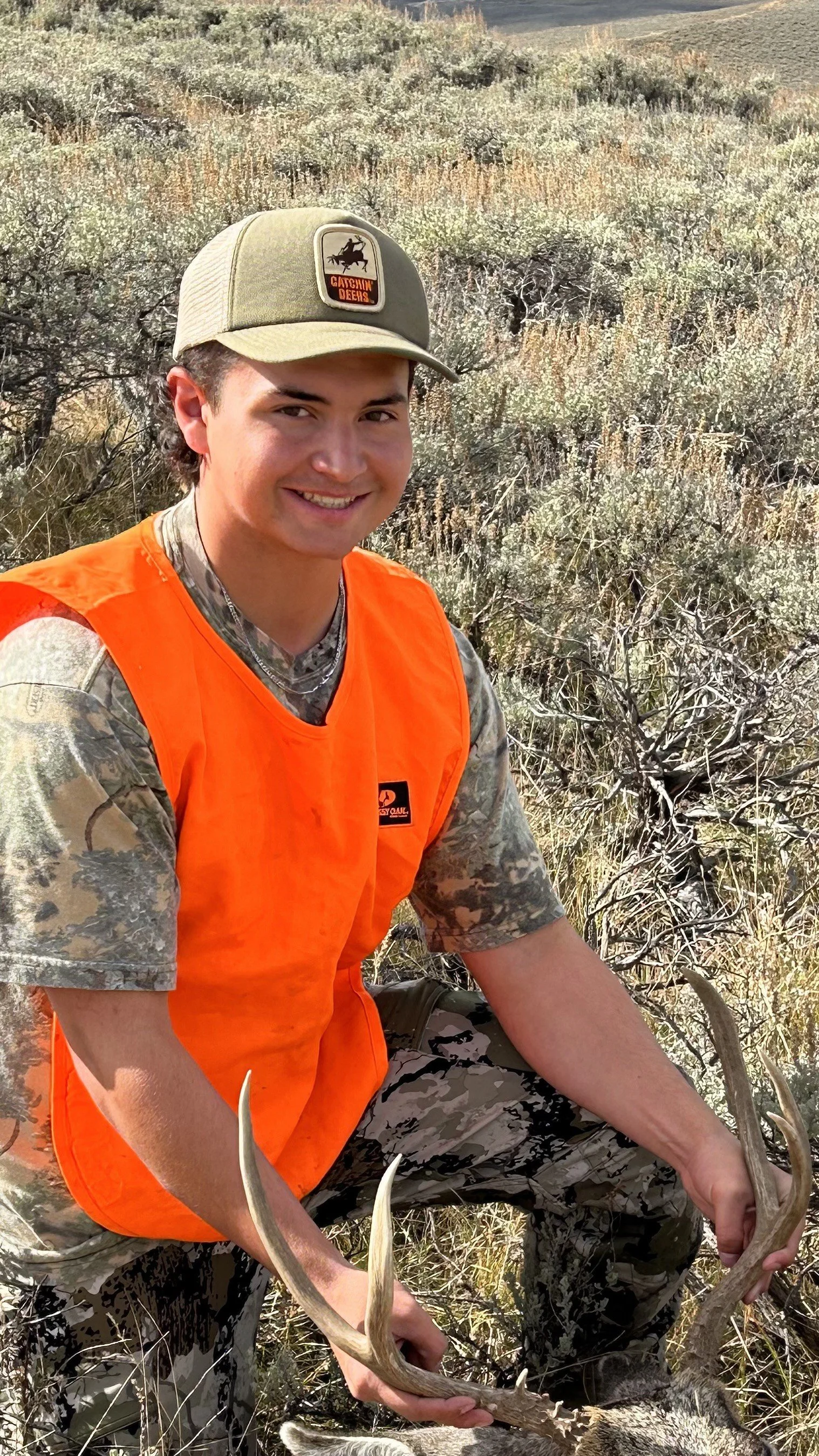
Before anything else, cover the non-negotiables: your license and tags, hunter orange where required, a reliable first-aid kit, a headlamp with spare batteries, and a way to navigate and communicate. This is the stuff that keeps you hunting instead of sitting out a season — or worse.
Orange requirements vary by state and season, so check your local regs before you walk in; a ticket is an expensive way to learn the rules. Your first-aid kit should handle the real risks: deep cuts from broadheads and knives, a twisted ankle miles from the truck, and the cold that creeps in when you stop moving. And don't trust your phone alone for navigation — batteries die in the cold and signal disappears in the bottoms, so carry offline maps or a dedicated GPS, and a satellite communicator if you're going deep.
If you hunt from a stand, a properly fitted safety harness comes first, no exceptions. Most treestand injuries don't happen while you're sitting — they happen on the climb up and the climb down. Wear it from the moment your boots leave the ground..
Spend on what touches you the longest
Boots, base layers, and rain gear affect every hour you spend outside. A comfortable, quiet hunter stays out longer and hunts better — and staying out longer is the whole game.
Boots are the single most hunt-ending piece of gear you own. Blisters don't care how good your spot is. Buy them early, break them in before season, and don't trust the bargain bin with your feet. Base layers are next: merino or a good synthetic that wicks sweat and kills odor, because the guy who smells like a locker room doesn't see deer. And rain gear isn't a luxury — it's the difference between hunting through a front and driving home at 9 a.m. Wet and miserable hunters make bad decisions and cut days short.
This is where mid-priced gear from proven brands usually beats both the bargain bin and the premium tier. You don't need the flagship anything. You need the thing that works every time, season after season, without a second thought.
Save on what doesn't matter yet
Calls, gadgets, and accessories can wait. Walk into any hunting aisle and half of what's on the shelf is marketed at beginners who don't know what they need yet. The truth is, a grunt call won't help you if you can't get close, and the fanciest rangefinder in the world won't fix a bad wind.
Plenty of experienced hunters carry a short list of tools they trust instead of a pack full of extras. Start minimal, hunt hard, and let the field tell you what's missing. When you keep reaching for something you don't have, that's when you buy it — not before. Every gadget you skip is money you can put toward the boots, layers, and tags that actually fill freezers.
Buy smart, not just cheap.
There's a difference between saving money and wasting it twice. A few rules that keep you on the right side of that line:
Buy last season's models when the specs haven't changed. Manufacturers rename things every year. If the guts are the same, last year's price is this year's steal.
Check return policies before you commit to boots or optics. These are the two categories where fit and glass quality can't be judged from a product page. If you can't send it back, you're gambling.
Ask yourself whether you'd still want it after three hunts. The novelty wears off fast. If the answer is "probably not," the gear store just saved you money by making you wait.
Read reviews that describe real use over a full season, not an unboxing. Anyone can be impressed for ten minutes. You want the guy who dragged it through October rain and is still recommending it in January.
The priority order, simple as it gets:
Safety and legal essentials — license and tags, orange, first aid, light, navigation. Non-negotiable.
Footwear and layers — boots, base layers, rain gear. What touches you the longest.
Pack and carry — a pack that fits, a knife that holds an edge, the basics that get meat home.
Optics — binoculars before a spotting scope. Good glass saves boot leather.
Everything else — calls, gadgets, upgrades. Earned through seasons, not shopping carts.
Good gear is built up over seasons. Start with the foundation and add as you learn what you actually use. The best kit isn't the most expensive one — it's the one where every piece earned its place.
Rep the hunt while you build your kit — check out the HuntPros tees and hoodies in our store.